Its Self or Itself: Which Is Correct?

Its Self or Itself

People often get confused about its self and itself because the two look similar and both seem to refer to the same idea: something referring back to “it.” The confusion matters in everyday writing, speaking, exams, and professional communication because a small spelling or grammar error can make your English look less polished. The good … Read more

When Can I or When I Can: Which Is Correct?

When Can I or When I Can

People often get confused about when can I and when I can because both phrases contain the same words, and both can appear in real English. The difference is not about spelling, but about word order and grammar function. That matters in everyday writing, speaking, exams, emails, and professional communication because the wrong order can … Read more

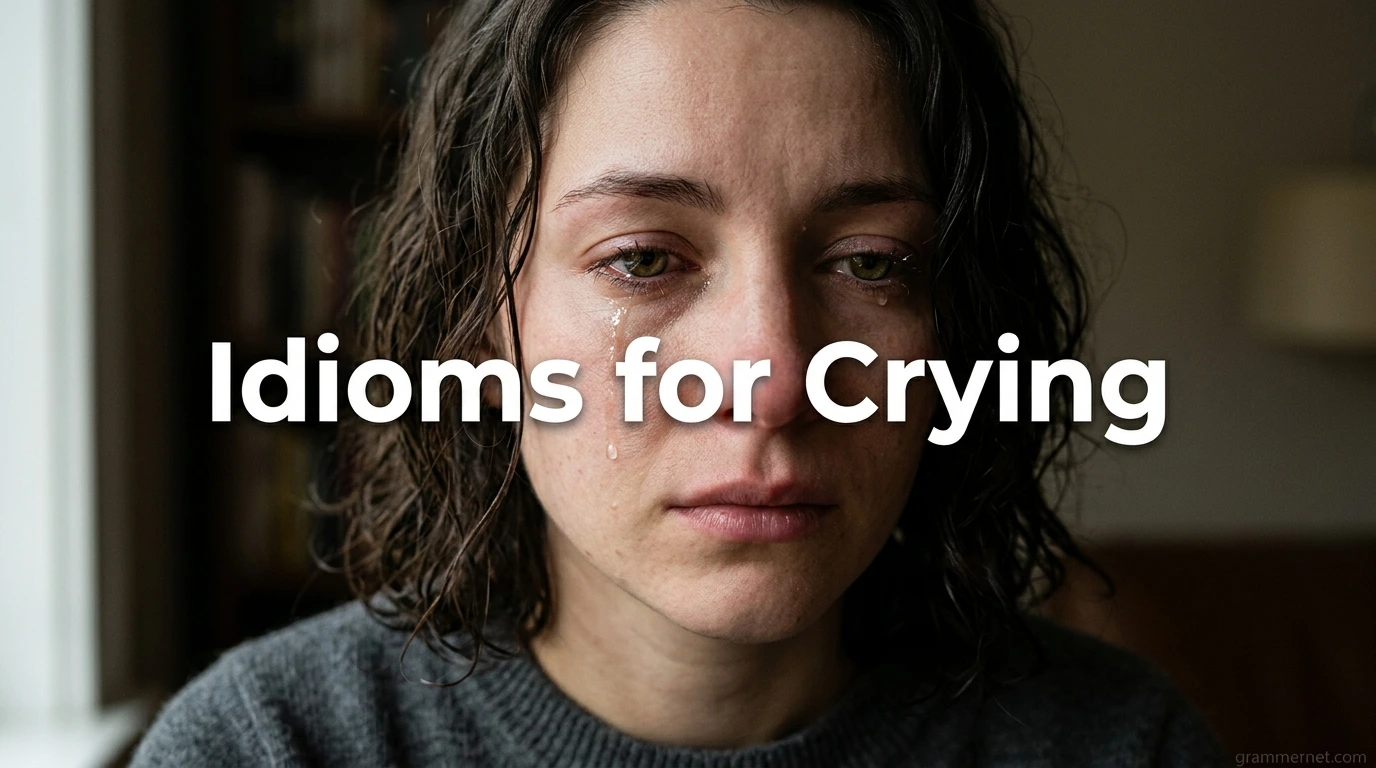
25+ Idioms for Crying 2026

Idioms for Crying

Crying is a natural human reaction, and English has many colorful idioms to describe sadness, emotional release, heartbreak, and tears. Learning idioms for crying helps English learners understand movies, conversations, songs, and stories more naturally. It also gives you better emotional vocabulary, so you can express sadness, comfort, and empathy in a clear and fluent … Read more

25+ Idioms for Culture 2026

Idioms for Culture

Culture shapes how people speak, think, behave, and connect with one another. That is why learning idioms for culture is so useful for English learners, students, and professionals who want to communicate more naturally and understand real-life English in context. These expressions help you talk about traditions, diversity, customs, social values, and different ways of … Read more

25+ Idioms for Dance 2026

Idioms for Dance

Dance is more than movement—it is rhythm, emotion, culture, and expression. In English, dance also appears in many colorful idioms and fixed expressions that people use every day, even when they are not talking about actual dancing. Learning idioms for dance helps English learners understand native speakers more naturally, enjoy movies and conversations more fully, … Read more

25+ Idioms for Darkness 2026

Idioms for Darkness

Darkness is more than just the absence of light in English—it is also a powerful image used in many idioms and expressions. Learning idioms for darkness helps English learners understand how native speakers talk about mystery, fear, secrecy, sadness, and difficult times in a natural way. It also improves your ability to read stories, watch … Read more

25+ Idioms for Dead 2026

Idioms for Dead

The word dead appears in many English idioms, and its meanings are often very different from the literal idea of death. In everyday English, dead can mean tired, complete, exact, finished, silent, empty, or even extremely. Learning idioms for dead helps English learners understand native speakers better and use more natural, expressive English in real … Read more

To Fast or Too Fast: Which Is Correct?

To Fast or Too Fast

People often get confused between to fast and too fast because the two phrases sound similar when spoken, and both include the word fast. But they mean very different things. This matters in everyday writing, speaking, exams, and professional communication because using the wrong form can change your meaning completely. In English, one tiny word … Read more

Company-Wide or Companywide: Which Spelling Is Correct?

Company-Wide or Companywide

People often get confused about company-wide and companywide because both look natural, both are used in real writing, and both seem to mean the same thing. The confusion matters in everyday writing, speaking, exams, and professional communication because business English often values clarity and consistency. A small spelling choice can make a report, email, policy, … Read more