Accent vs Ascent vs Assent: Meaning, Differences, Usage, and Examples

Accent vs Ascent vs Assent

English is full of words that sound alike but have completely different meanings. Accent, ascent, and assent are perfect examples. Because they are pronounced similarly, many students, writers, and English learners confuse them in writing and speaking. Using the wrong word can change the meaning of your sentence and create unnecessary mistakes in exams, professional … Read more
Born with a Silver Spoon in One’s Mouth: Meaning, Origin, Usage, and Examples

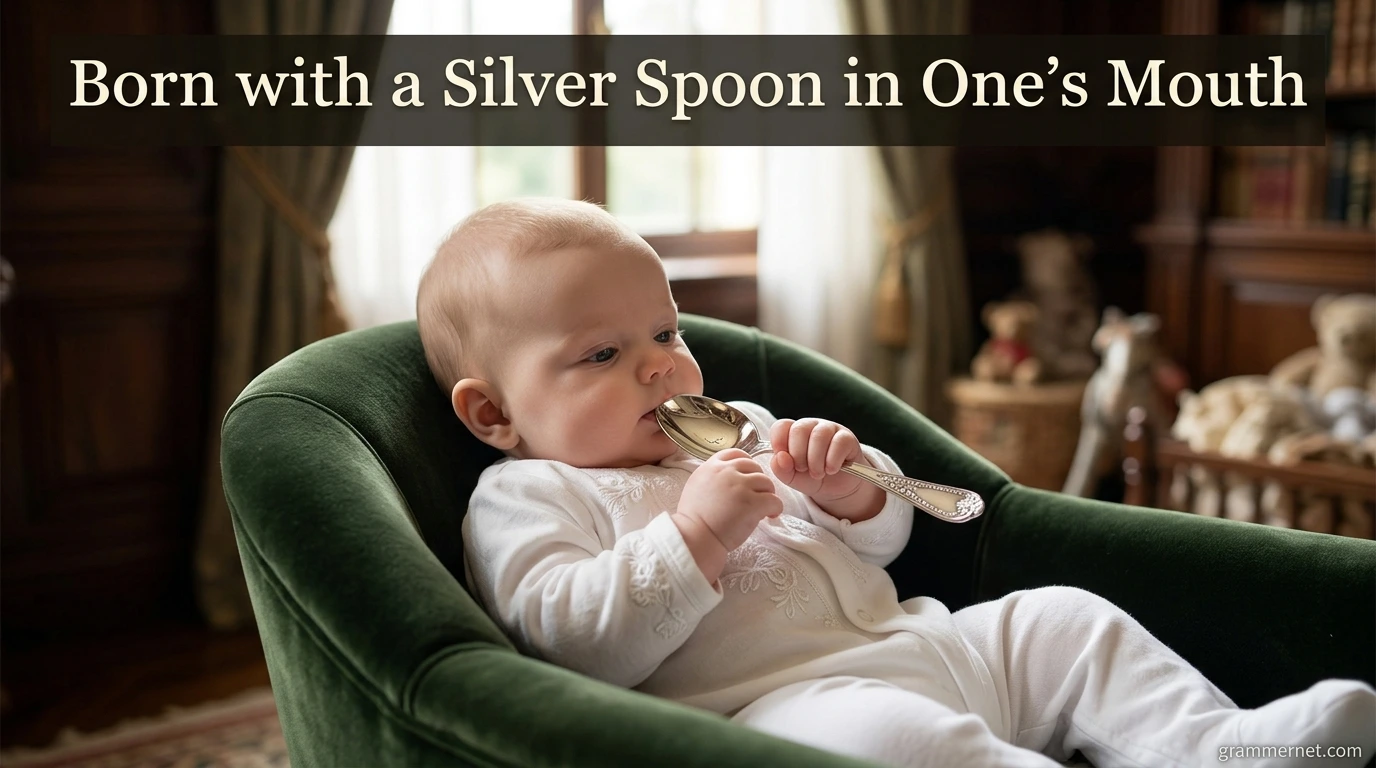
Born with a Silver Spoon in One’s Mouth

Many English learners encounter the phrase “born with a silver spoon in one’s mouth” and wonder what it actually means. The expression sounds unusual because it is an idiom rather than a literal statement. Since idioms often cannot be understood word for word, they can cause confusion in writing, speaking, exams, and professional communication. Understanding … Read more

Three Sheets to the Wind: Meaning, Origin, Usage, Examples, and Common Mistakes

Three Sheets to the Wind

English is full of colorful idioms that can confuse learners, writers, and even native speakers. One expression that often raises questions is “three sheets to the wind.” At first glance, it sounds like something related to laundry or sailing, but its actual meaning is quite different. Because the phrase is figurative rather than literal, many … Read more

Beloved vs Loved: Which Word Should You Use?

Beloved vs Loved

People often get confused about beloved and loved because both words express affection, care, and strong positive feeling. In everyday writing, speaking, exams, and professional communication, this confusion matters because the two words are not always interchangeable. One is often more formal, literary, or emotional, while the other is more direct and common. If you … Read more

Do Not vs Don’t: Which One Should You Use?

Do Not vs Don’t

People often get confused about do not and don’t because both express the same basic negative idea, but they are used in different situations. In everyday speech, people usually say don’t, while in formal writing they often prefer do not. That difference matters in emails, schoolwork, exams, business communication, and public writing because choosing the … Read more

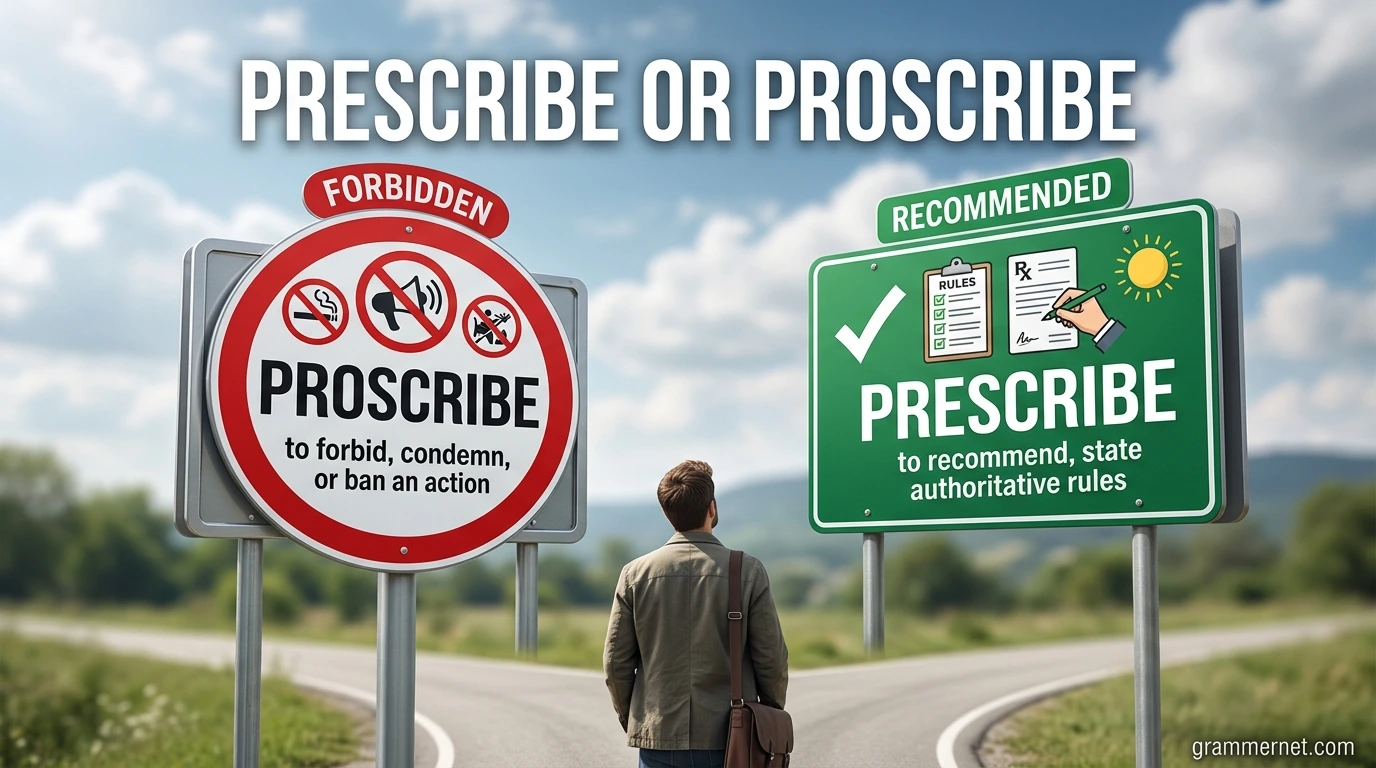
Prescribe or Proscribe: What Is the Difference?

Prescribe or Proscribe

People often confuse prescribe and proscribe because the two words look almost identical and sound very similar. The mistake matters in everyday writing, speaking, exams, and professional communication because the two verbs mean nearly opposite things. Merriam-Webster defines prescribe as either giving medical orders or laying down a rule, while proscribe means to condemn or … Read more

She Has or She Have: Which One Is Correct?

She Has or She Have

One of the most common grammar questions among English learners is whether to say “she has” or “she have.” At first glance, the difference seems small—just one letter separates the two forms. However, using the correct verb form can significantly improve your grammar, writing accuracy, and confidence in both spoken and written English. Many people … Read more