Gluing vs Glueing: Which Spelling Is Correct?
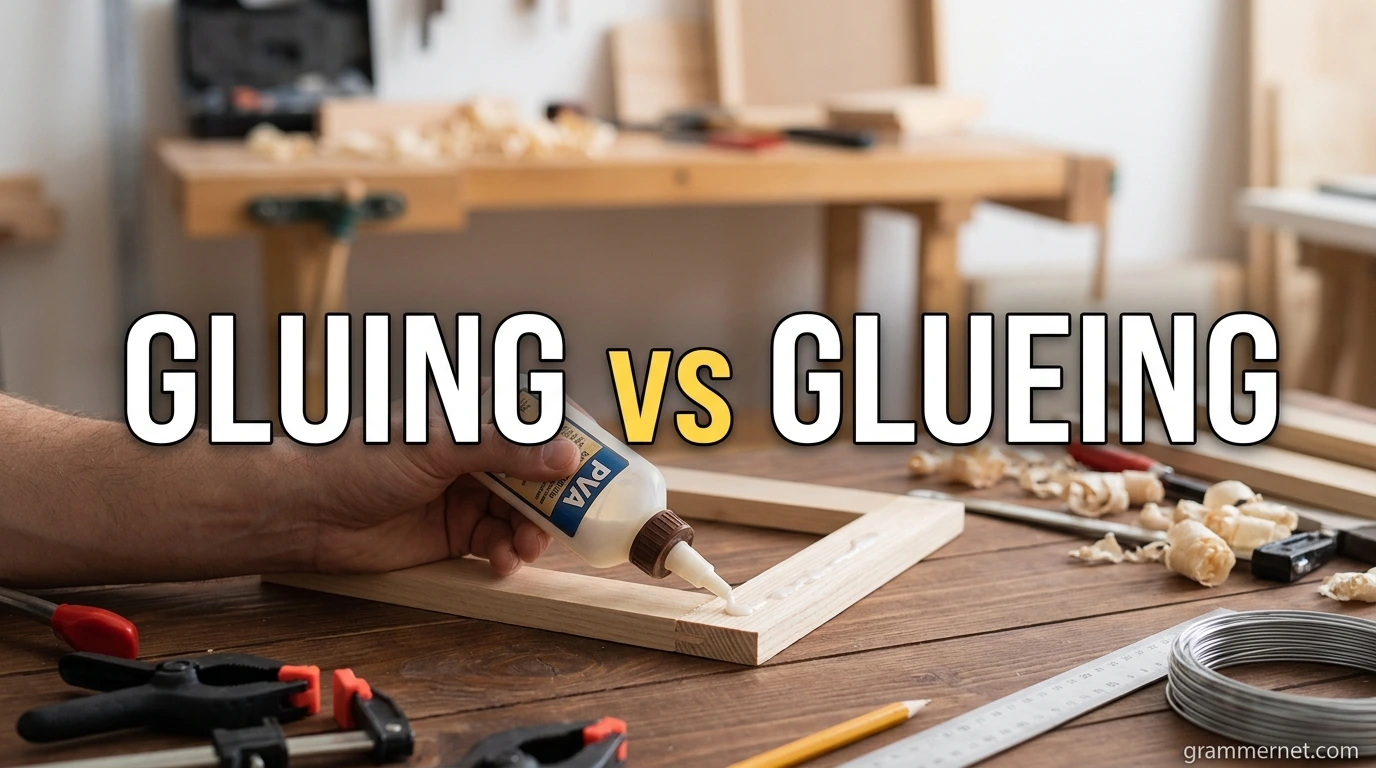
Gluing vs Glueing

English spelling is full of words that don’t always follow the rules we expect. One common question that puzzles students, writers, and even native speakers is gluing vs glueing. Since many verbs ending in -e simply drop the final e before adding -ing (like make → making), it’s easy to wonder whether glue should become … Read more

Under One’s Breath: Meaning, Usage, Examples, and Grammar Guide

Under One’s Breath

Many English learners encounter the expression “under one’s breath” in books, movies, conversations, and workplace communication but are unsure exactly what it means. Some people wonder whether it refers to speaking quietly, whispering, mumbling, or something else entirely. Others struggle with the grammar of the phrase, particularly the possessive form one’s and how it changes … Read more

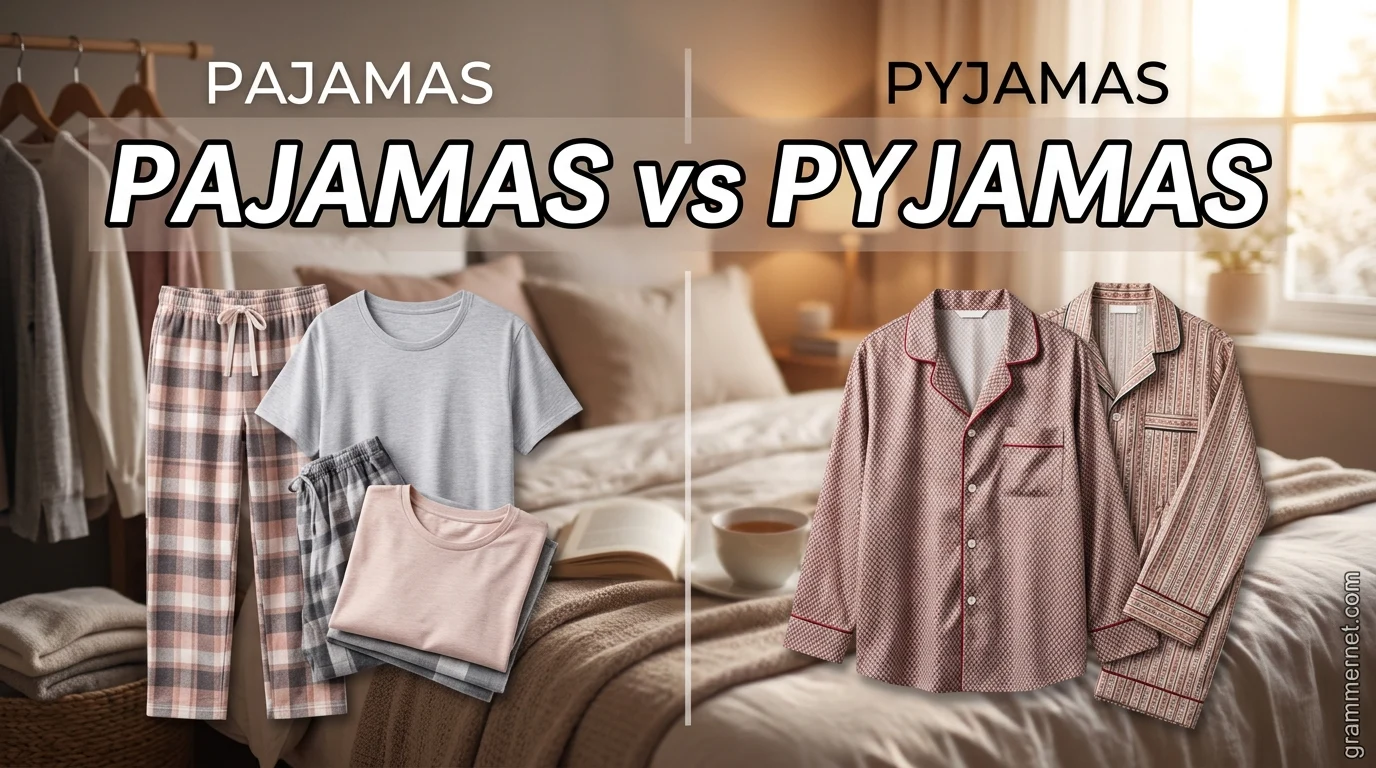
Pajamas vs Pyjamas: Which Spelling Is Correct?

Pajamas vs Pyjamas

Many English learners are surprised to discover that both pajamas and pyjamas refer to the same thing. The confusion usually arises when people encounter different spellings in books, websites, clothing stores, or exams. One source may use pajamas, while another uses pyjamas, leaving readers wondering which version is correct. Understanding the difference matters because spelling … Read more

Is Used vs Has Been Used vs Was Used: Understanding the Differences and Correct Usage

Is Used vs Has Been Used vs Was Used

English learners often struggle with phrases like is used, has been used, and was used because all three involve the verb use in the passive voice. At first glance, they seem interchangeable. After all, each phrase describes something that was utilized for a purpose. However, they actually refer to different time frames and grammatical structures. … Read more

If She Was or If She Were: Which One Is Correct?

If She Was or If She Were

People often get confused about “if she was” and “if she were” because both sound natural in speech, and both appear in real English. The confusion matters in everyday writing, speaking, exams, and professional communication because the choice can affect tone, grammar accuracy, and how formal or polished your sentence sounds. In modern conversation, many … Read more

Elegy or Eulogy: What’s the Difference?

Elegy or Eulogy

People often confuse elegy and eulogy because both words are used in emotional contexts related to death, remembrance, and loss. They also sound somewhat similar and appear in serious writing, speeches, and literature. However, their meanings are very different, and using the wrong one can completely change your message. This distinction matters in everyday communication, … Read more

Leapt or Leaped: Which One Is Correct?

Leapt or Leaped

English is full of words that have more than one accepted form, and “leapt” versus “leaped” is a perfect example. If you’ve ever wondered whether you should write “The cat leapt onto the fence” or “The cat leaped onto the fence,” you’re not alone. Students, writers, professionals, and even native speakers often hesitate when choosing … Read more

Giving or Given: Understanding the Difference, Correct Usage, and Common Mistakes

Giving or Given

Many English learners and even native speakers hesitate when choosing between giving and given. Both words come from the verb give, both appear frequently in writing and conversation, and both look similar enough to cause confusion. You may wonder whether to write “The teacher has giving homework” or “The teacher has given homework.” You might … Read more