
If you searched mashble connections hint today, you are probably looking for a little help that still feels respectful of the puzzle. That is exactly the sweet spot this guide is built for: enough support to keep you moving, but not so much that the joy disappears. Mashable has long used a daily hint-and-answer style for Connections, and the game itself is a daily New York Times word puzzle where 16 words must be sorted into four themed groups, with color-coded difficulty and four mistakes allowed. Because the grid changes every day, the most helpful article is often one that teaches the process of solving, not just the spoiler.
Connections is one of those games that can feel soothing one minute and maddening the next, which is why a calm guide works so well. When the clues feel slippery, a steady approach helps you keep your confidence, protect your streak, and still enjoy the little thrill of the final aha moment. That is the spirit behind this mashble connections hint today article: warm, clear, and useful without taking the fun away.
What Mashble Connections Hint Today Really Means
- A tiny hint can still unlock a big smile. 🔍.
- Some puzzles need kindness before they need speed. 🌤️.
- The right nudge can make the whole grid softer. 🌼.
- A daily hint is not a shortcut; it is support. 🤝.
- Sometimes the first clue is the gentlest one. 🕯️.
- One calm thought can settle a noisy puzzle. 🍃.
- A good hint gives hope without giving away the heart. 💛.
- Solving feels better when pressure takes a step back. 🌿.
- The best help feels like a quiet hand on your shoulder. 🫶.
- A small clue can turn confusion into curiosity. ✨.
- Some days need a softer way in. 🪷.
- A puzzle hint can feel like a fresh breath. 🌬️.
- The goal is not just answers, but a better rhythm. 🎵.
- Helpful guidance keeps frustration from growing roots. 🌱.
- A gentle puzzle start can change the whole mood. 🌅.
- There is comfort in not solving alone. 🤍.
- A daily clue can make the game feel friendlier. 🙂.
- Good hints protect both confidence and joy. 🛡️.
- A little direction can carry a lot of peace. 🧭.
- Every solve begins with one kinder thought. 🌈.
Why Mashable Daily Connections Clues Feel So Useful

- Daily clues help you meet the puzzle where it is. ☀️.
- A soft hint can save a streak and a mood. 🧡.
- The right clue keeps you curious instead of stuck. 🌸.
- Helpful nudges make tough grids feel less lonely. 🌷.
- A good hint can reveal the shape of the answer. 📐.
- Some puzzles need context more than speed. 🧠.
- A daily guide turns stress into pattern-spotting. 🧩.
- Hint pages make the game feel more welcoming. 🚪.
- The best clue often feels like a friend’s suggestion. 💬.
- A little help can keep the fun intact. 🎈.
- Daily support is useful when the words are sneaky. 🪤.
- A hint can calm the urge to force a wrong answer. 🌊.
- Careful guidance makes the puzzle feel fairer. ⚖️.
- Small clues can build stronger solving habits over time. 📚.
- The goal is confidence, not confusion. 🤍.
- A daily breakdown gives you room to breathe. 🌿.
- When you pause, patterns become easier to see. 👀.
- One clue can open a whole corner of the grid. 🔓.
- Useful hints respect the puzzle and the player. 🤝.
- A friendly nudge can turn a hard day around. 🌞.
How to Read a Connections Hint Without Spoiling the Joy
- Read the clue, then let it settle for a moment. 🕊️.
- A soft pause can reveal what rushing hides. ⏳.
- Try to feel the theme before naming it. 💭.
- The hint works best when you stay curious. 🌙.
- Don’t chase the answer; let it approach you. 🚶.
- One careful look can be worth three fast guesses. 👓.
- A clue should guide you, not boss you around. 🌿.
- Hold the hint gently and think broadly. 🪷.
- Some answers appear only after the quiet thinking. 🤫.
- Reading slowly can protect the fun. 📖.
- A good solve often begins with a calm breath. 🌬️.
- Let the clue suggest shape, not certainty. 🧭.
- The best puzzle moments feel earned, not forced. 🏆.
- A soft understanding is still real understanding. 🤍.
- You do not need every clue at once. 🧺.
- Let the idea grow before you lock it in. 🌱.
- Sometimes a hint makes sense only after a second glance. 🔁.
- Stay open to a different meaning than the obvious one. 🪞.
- The joy lives in the “aha,” not the hurry. ✨.
- Reading hints kindly makes the whole game warmer. 🔆.
Calm First Moves for a Fresh Connections Grid
- Begin with the easiest feeling, not the hardest fear. 🌄.
- Look for the most natural little family of words. 🧩.
- A first move should feel steady, not desperate. 🪨.
- Trust the obvious before chasing the clever. 👣.
- One calm scan can set the tone for the whole game. 👀.
- Start where your mind feels quietest. 🌿.
- A gentle opening often leads to a better middle. 🚪.
- Sort the grid like you are arranging a warm room. 🛋️.
- The first move is often a small yes. ✅.
- Let your eye wander before your brain commits. 🌼.
- A fresh grid deserves fresh patience. 🌱.
- Good starts are usually simple, not dramatic. 🌤️.
- Your first instinct may be kinder than you think. 💛.
- Begin with what feels clean and clear. 🧼.
- A soft start keeps your mind from tightening. 🌸.
- The first line of thought does not need to be perfect. ✍️.
- Let momentum grow naturally. 🌾.
- A quiet beginning can save a lot of mistakes. 🛡️.
- If one idea feels strong, follow it calmly. 🧭.
- Early steadiness makes the rest easier. 🕯️.
Finding the Obvious Group Before the Puzzle Gets Loud
- Look for the group that feels almost too easy. 🔦.
- Obvious connections are often your best friends. 🤗.
- The cleanest set usually clears mental space. 🌫️.
- Easy wins are not small; they are momentum. 🚀.
- Find the group that your brain keeps returning to. 🔁.
- The simplest pattern is often hiding in plain sight. 👀.
- A clear category can steady the rest of the board. 🧱.
- Trust the group that feels complete without effort. 🧡.
- The obvious answer is often the kindest answer. 🌷.
- Lock in clarity before complexity arrives. 🗝️.
- A simple group can make the whole grid breathe. 🌬️.
- The easiest cluster is a gift, not a trap. 🎁.
- Obvious does not mean boring; it means useful. ✨.
- The right first group can open the puzzle like a door. 🚪.
- A clear category creates room for better guesses. 📈.
- When the set feels natural, listen carefully. 🎶.
- The puzzle gets quieter after one clean solve. 🤍.
- Simple recognition can be a form of confidence. 🌞.
- Keep the obvious close and the clever on pause. ⏸️.
- One clean group can soften the whole game. 🕊️.
Red Herrings and How to Keep Them from Distracting You
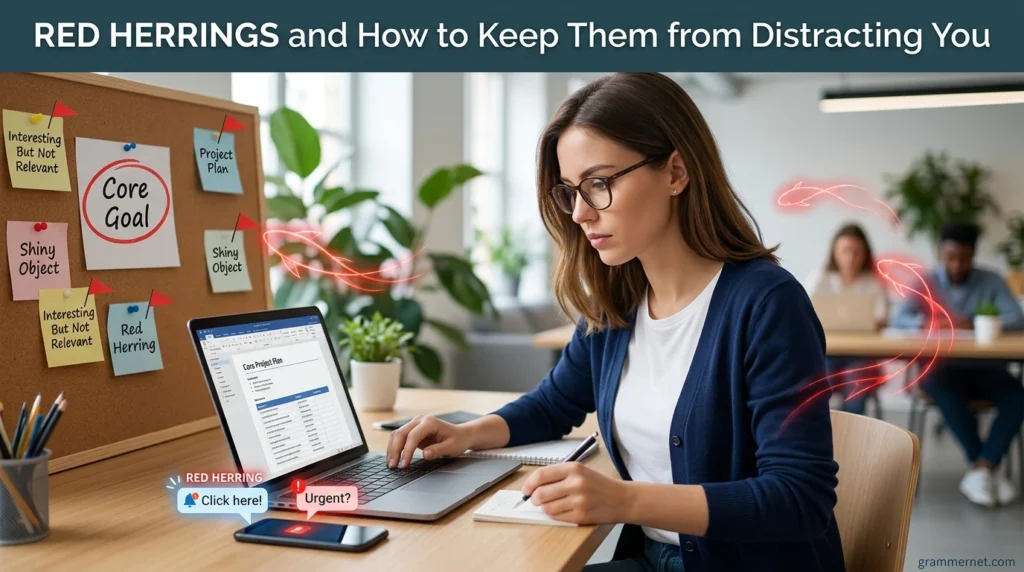
- Not every familiar word belongs where it seems to. 🪤.
- Tricky words love to dress up as something else. 🎭.
- A red herring can feel convincing and still be wrong. 🧠.
- Pause when a word fits two stories too well. ⚠️.
- The puzzle sometimes asks for patience, not certainty. 🕰️.
- Overlaps are there to test your calm. 🌊.
- A misleading word is not a failure; it is a lesson. 📘.
- Stay curious when the grid starts to look crowded. 🌿.
- One sneaky clue can hide behind many meanings. 🪞.
- Red herrings lose power when you slow down. 🐢.
- The best defense is a clear, steady eye. 👁️.
- Do not fall in love with the first exciting idea. 💘.
- Ambiguous words are meant to be admired carefully. 🔍.
- A tricky clue becomes easier when you name its possibilities. 📝.
- Sometimes the wrong group feels most emotionally satisfying. 😅.
- Hold your guesses lightly until the pattern is obvious. 🎈.
- A misleading word is just a detour. 🛣️.
- The best solvers learn to smile at the traps. 😊.
- Calm attention beats clever panic. 🧘.
- Let the red herring swim by without grabbing it. 🐟.
Using Gentle Hints to Build Better Puzzle Instincts
- A hint can teach your eye how to notice more. 👁️.
- Small guidance today becomes sharper instinct tomorrow. 🌱.
- The best clues help you learn, not just finish. 📚.
- Each solve can quietly improve your pattern sense. 🧠.
- A gentle hint can train your brain kindly. 🌿.
- Learning feels better when it does not feel harsh. 🤍.
- Good hints leave you a little wiser each day. 🪷.
- A soft nudge can build a strong solving habit. 🧱.
- The puzzle becomes friendlier when your instincts grow. 🌼.
- Every clue can teach you something about theme. 🎓.
- A helpful hint is like a tiny lesson in disguise. 🎁.
- Over time, the grid starts to speak your language. 🗣️.
- Better instincts arrive through patient repetition. 🔁.
- Hints can help you notice the shape of categories. 🪞.
- Stronger solving often begins with slower looking. 🐌.
- The more you learn, the calmer you feel. 🌤️.
- A kind clue can build lasting confidence. 💛.
- Skills grow best when pressure stays low. 🌷.
- A daily hint can become a daily teacher. 🍎.
- Your puzzle brain deserves gentle coaching. 🤝.
Yellow, Green, Blue, and Purple Thinking in a Softer Way
- Easy categories deserve easy breathing. 🌤️.
- Hard categories can wait their turn. ⏳.
- Think of each color as a different kind of kindness. 🎨.
- The simplest group deserves respect, not rush. 🟡.
- Middle groups often need patience more than brilliance. 🟢.
- Trickier groups reward slow, flexible thinking. 🔵.
- The hardest group is not a verdict on you. 🟣.
- A color-coded puzzle still asks for human calm. 🕊️.
- Let each tier feel like a step, not a test. 🪜.
- Start with the group that feels warmest in your mind. ☀️.
- The harder the color, the gentler your pace should be. 🌙.
- Every difficulty level has its own rhythm. 🥁.
- A good solver respects the easy win first. ✅.
- Blue and purple often want more imagination. 💭.
- Color thinking can keep your brain organized. 📚.
- If one tier resists, step back and reset. 🔄.
- The puzzle is a staircase, not a wall. 🏗️.
- Let color remind you to adjust your patience. 🎚️.
- Tougher groups often appear after you clear space. 🧹.
- Soft thinking can solve hard colors too. 🤍.
What to Do When Today’s Puzzle Feels Stuck
- When you stall, pause before you push. 🛑.
- A stuck moment is often a sign to breathe. 🌬️.
- Step away for a minute if the grid feels loud. 🚶.
- Stuck does not mean finished; it means reset. 🔁.
- Return with quieter eyes and a lighter grip. 🪷.
- The answer may appear after a tiny break. ☕.
- A hard moment can soften with time. ⏲️.
- Do not wrestle the puzzle when you can listen to it. 👂.
- A fresh glance can save the day. 🌅.
- Sometimes distance is the best hint of all. 🧭.
- The brain solves better when it stops straining. 🌿.
- A stuck board is still a solvable board. 🧩.
- Breath first, guess second. 🧘.
- When frustration grows, return to the basics. 🧱.
- A calm reset can open a hidden pathway. 🚪.
- It is okay to be paused, not blocked. ⏸️.
- Let the grid cool before you re-enter. ❄️.
- Sometimes one removed guess makes everything easier. 🧼.
- Patience can be the missing category. 🤍.
- Stuck moments are temporary, not personal. 🌻.
How to Recover After a Wrong Guess
- A wrong guess is data, not drama. 📝.
- Mistakes can teach what certainty cannot. 📘.
- One miss does not cancel your progress. 🛟.
- Recovery begins by staying calm. 🌿.
- A wrong guess can reveal what the board is not. 🧭.
- Use the miss as a reset point. 🔄.
- Be kind to yourself after a surprise misstep. 🤍.
- A correction is still movement forward. ➡️.
- Wrong does not mean foolish; it means learning. 🌱.
- The puzzle is always bigger than one guess. 🌌.
- Take the breath before the next choice. 🌬️.
- A stumble can sharpen your attention. 👀.
- Recovery is easier when pride steps aside. 🕊️.
- Every mistake helps narrow the field. 🎯.
- A calm mind heals the board faster. 🧘.
- The next guess can be wiser because of the last one. 💡.
- You are allowed to recover gently. 🌷.
- Mistakes are part of the path, not the end. 🛤️.
- A clearer guess often follows a humbler one. 🤲.
- Keep moving with grace. 🌸.
Word-Association Habits That Make Solving Easier
- Trust the first cluster your mind builds. 🧠.
- Words often arrive in families of meaning. 👨👩👧👦.
- Association works best when you stay playful. 🎈.
- Let one word lead you to three more. 🧭.
- A theme can hide in plain speech. 🗣️.
- Your brain loves patterns more than you think. 🌟.
- Similar feelings can point to similar answers. 💛.
- Word association is a quiet puzzle muscle. 💪.
- Let categories form naturally in your head. 🌿.
- Sometimes rhythm reveals what logic misses. 🎵.
- Words can connect by tone, not just definition. 🎭.
- Try grouping by purpose, place, or vibe. 📍.
- A strong association feels almost physical. ✨.
- The right word can wake the whole set. 🔔.
- Imagination is a valid solving tool. 🌈.
- One clue can pull another into view. 🪢.
- Keep associations loose until they become clear. 🪶.
- Patterns often begin as half-thoughts. 🤔.
- The brain likes a gentle invitation. ✉️.
- Word play becomes easier with practice. 🎓.
How to Stay Hopeful When the Grid Looks Messy
- Messy grids still hold clean answers. 🧺.
- Hope is useful when the words feel scattered. ✨.
- A messy board is just unfinished order. 🧩.
- The puzzle looks calmer after one small success. 🌤️.
- Trust that the clutter will start to separate. 🌱.
- Hope keeps curiosity alive. 🤍.
- A messy moment is not a lost moment. 🕰️.
- Your next good guess may be one breath away. 🌬️.
- The board can feel confusing and still be kind. 🌼.
- Hope helps you keep your eyes open. 👀.
- One cleaned-up group can change everything. 🧹.
- A scattered start does not predict the ending. 📖.
- Stay soft with yourself while the grid settles. 🕊️.
- Hope is part of good solving. 💛.
- Even noisy boards eventually reveal order. 📐.
- Let the mess be temporary. ⏳.
- A hopeful solver sees possibility first. 🌈.
- The puzzle is not against you. 🤝.
- Calm hope is often stronger than panic. 🪷.
- Every messy board can become a clean story. 📝.
Friendly Daily Routines for Better Connections Sessions
- A quiet routine can make the puzzle feel welcoming. ☕.
- Start with a breath and a soft look. 🌬️.
- Daily habits turn effort into comfort. 🛋️.
- A good routine keeps pressure low. 🌿.
- Give your brain a familiar opening. 🚪.
- The best sessions feel steady, not rushed. ⏳.
- A small ritual can help your focus bloom. 🌸.
- Play when your mind feels most open. 🕊️.
- A repeatable process makes hard days easier. 📅.
- Build a habit of scanning before guessing. 👀.
- Routines are gentle anchors for tricky games. ⚓.
- Keep your solving pace human. 🤍.
- A little consistency brings a lot of ease. 🌼.
- Make space for a reset if needed. 🔁.
- Familiar habits can calm the streak anxiety. 🛡️.
- A daily puzzle deserves a daily pause. 🧘.
- Routine helps your attention arrive on time. ⏰.
- Soft structure can make hard words easier. 📚.
- Keep the habit light and sustainable. 🎈.
- A kind routine can become a favorite part of the day. 🌞.
Sharing Hints with Friends Without Giving Everything Away
- A good hint can be warm and respectful. 🤝.
- Share just enough to help, not enough to spoil. 🌷.
- Friendship and puzzle kindness go beautifully together. 🕊️.
- The best clue is often the smallest one. 🪄.
- Leave room for your friend’s own aha moment. ✨.
- A gentle suggestion can save a lot of frustration. 🌿.
- Hint-sharing works best when it feels like support. 💛.
- You can guide without leading too hard. 🧭.
- A soft nudge is a loving thing. 🤍.
- Try pointing to the type of theme, not the answer. 🎯.
- Good friends help each other think, not just finish. 🌼.
- Keep the puzzle fun for both people. 🎲.
- A spoiler-free hint can still be very useful. 🔍.
- Respect the moment of discovery. 🌄.
- Share curiosity, not certainty. 💭.
- A thoughtful clue can make the game feel communal. 🫶.
- Puzzle talk is sweeter when it stays playful. 🎈.
- Help your friend feel clever, not carried. 👏.
- A hint shared kindly becomes a tiny gift. 🎁.
- Friendship shines brightest when it protects the joy. 🌟.
A Thoughtful Finish for Anyone Searching Mashble Connections Hint Today
- The best help keeps the heart of the game intact. ❤️.
- A hint should feel like light, not a flood. 🌤️.
- Solving well is often about calm, not speed. 🕊️.
- The puzzle gets more beautiful when you trust yourself. 🤍.
- Every daily game is a chance to practice patience. 🌱.
- A good guide leaves room for discovery. ✨.
- The right clue can protect both your streak and your smile. 🙂.
- When the board feels hard, gentleness still works. 🌿.
- A daily search for help can become a daily ritual of growth. 📘.
- Today’s puzzle is temporary, but better habits last. 🧭.
- Keep the joy close and the pressure far away. 🌸.
- The fun lives in the solving, not just the result. 🎉.
- A peaceful mind sees more of the board. 👀.
- Each hint is only a bridge, not the destination. 🌉.
- Trust the process, even on the noisy days. 🤲.
- The answer is sweeter when you arrive there kindly. 🍯.
- A calm solver is often a strong solver. 💪.
- The grid changes, but your patience can grow. 🌻.
- Keep this page as a soft place to begin again. 📖.
- Tomorrow’s puzzle deserves the same gentle care. 🌈.
Conclusion
Searching mashble connections hint today is really a search for balance. You want help, but not too much. You want progress, but not pressure, You want the pleasure of solving, even when the grid is being difficult. That is why a hint-first approach can feel so comforting: it respects your curiosity while giving you just enough direction to keep going. Mashable’s daily Connections coverage fits that spirit well, and the game’s own four-group, four-mistake structure makes a calm strategy especially valuable.
If today’s puzzle feels slippery, come back to the basics: scan for the obvious, watch for red herrings, use hints slowly, and let your next guess be kinder than the last. That is the real strength of the mashble connections hint today mindset. It keeps the fun alive, protects your confidence, and makes every solved grid feel earned. And when tomorrow comes, the same calm approach will be waiting for you again.
FAQs
What does mashble connections hint today mean?
It is usually a search for Mashable’s daily hint coverage for the New York Times Connections puzzle. Mashable has a daily hint-and-answer style for Connections, and Connections itself is a 16-word puzzle grouped into four themed categories with four allowed mistakes.
Is Mashable actually related to Connections hints?
Yes. Available search results show Mashable posting Connections hints and answers, including a June 19 post for Connections #374. Mashable is also a long-running digital media brand.
How should I use a hint without spoiling the game?
Start with the broadest clue, pause, and try to name the theme in your own words before checking any deeper help. That keeps the discovery moment intact. This approach works well because Connections is designed around hidden groupings and increasing difficulty.
What makes Connections hard even when the words seem familiar?
Connections often uses deceptive overlaps and red herrings, so a word can look like it fits more than one category. The game’s color-coded difficulty and limited mistakes make careful reading important.
What should I do when I get stuck?
Pause, step away for a moment, and return with a softer eye. Then look for the easiest group first, eliminate obvious words, and use hints only as needed. That usually clears space for the rest of the board.
Can hints help me improve over time?
Yes. A good hint can teach your brain how to spot patterns, categories, and word associations more quickly. Over time, that can make daily solving feel calmer and more confident.
