Company-Wide or Companywide: Which Spelling Is Correct?

Company-Wide or Companywide

People often get confused about company-wide and companywide because both look natural, both are used in real writing, and both seem to mean the same thing. The confusion matters in everyday writing, speaking, exams, and professional communication because business English often values clarity and consistency. A small spelling choice can make a report, email, policy, … Read more

25+ Idioms for Death 2026

Idioms for Death

Death is one of the most sensitive topics in any language, and English has many idioms and euphemisms that people use to talk about it with respect, humor, poetry, or distance. Learning idioms for death helps English learners understand books, movies, news articles, and everyday conversations more naturally. It also helps you speak with more … Read more

25+ Idioms for Different 2026

Idioms for Different

Being able to talk about differences clearly is an important part of natural English. We often need to compare people, things, ideas, and situations in everyday life, school, and work. Learning idioms for different helps English learners sound more fluent, express contrast more vividly, and understand native speakers better. It also makes your English more … Read more

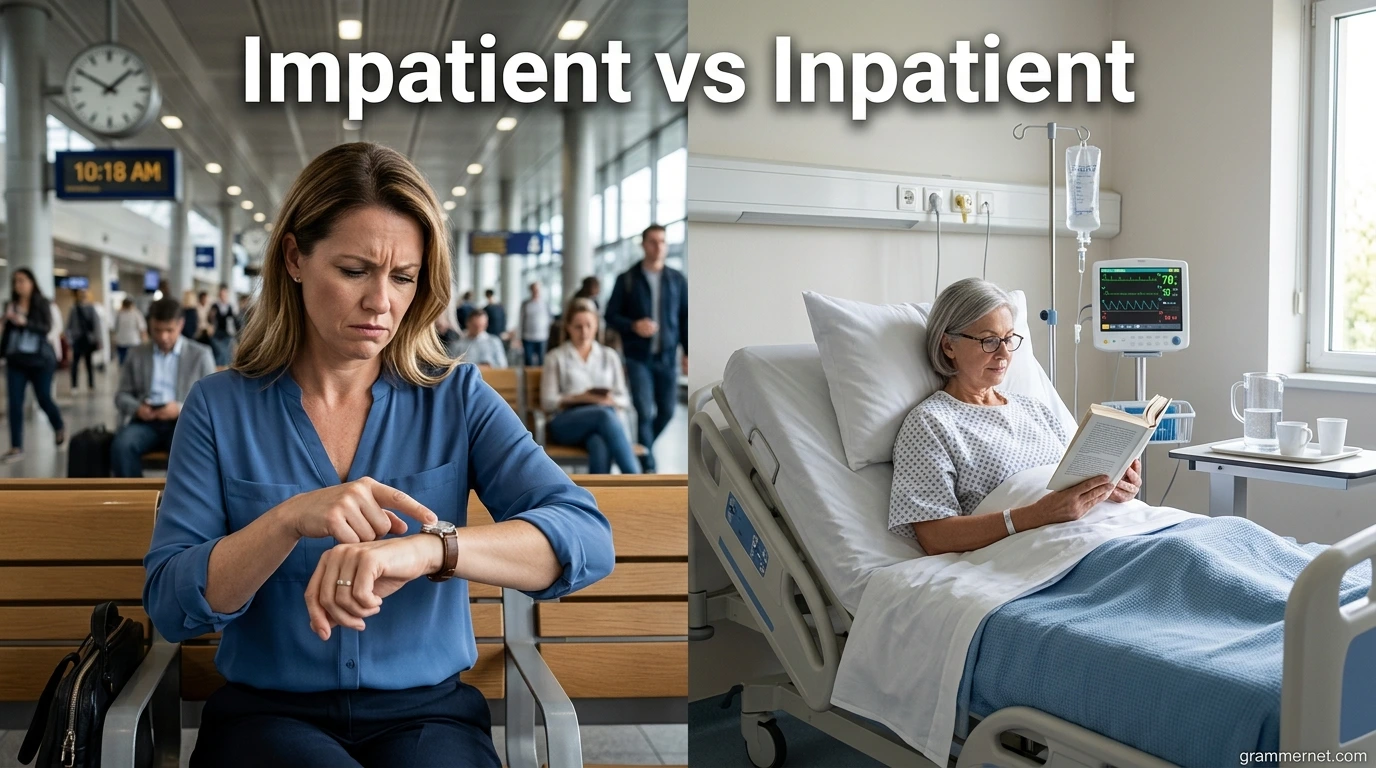
Impatient vs Inpatient: What Is the Difference?

Impatient vs Inpatient

People often confuse impatient and inpatient because the words look almost identical, and only one small letter separates them. That tiny spelling difference can create big confusion in writing, speaking, exams, and professional communication. The problem is even more noticeable because impatient is a common everyday word, while inpatient is used mainly in medical and … Read more

25+ Idioms for Education 2026

Idioms for Education

Education is one of the most important parts of life, and English has many idioms that help people talk about learning, teaching, studying, and academic success more naturally. Learning idioms for education can make your English sound fluent and expressive while helping you understand native speakers in schools, universities, workplaces, and everyday conversations. These idioms … Read more

25+ Idioms for Family 2026

Idioms for Family

Family plays a central role in our lives, and English speakers often use colorful idioms to describe family relationships, traditions, similarities, and support. Learning idioms for family helps English learners communicate more naturally, understand native speakers, and enrich their vocabulary. Whether you’re talking about close relatives, family values, or family gatherings, these expressions can make … Read more

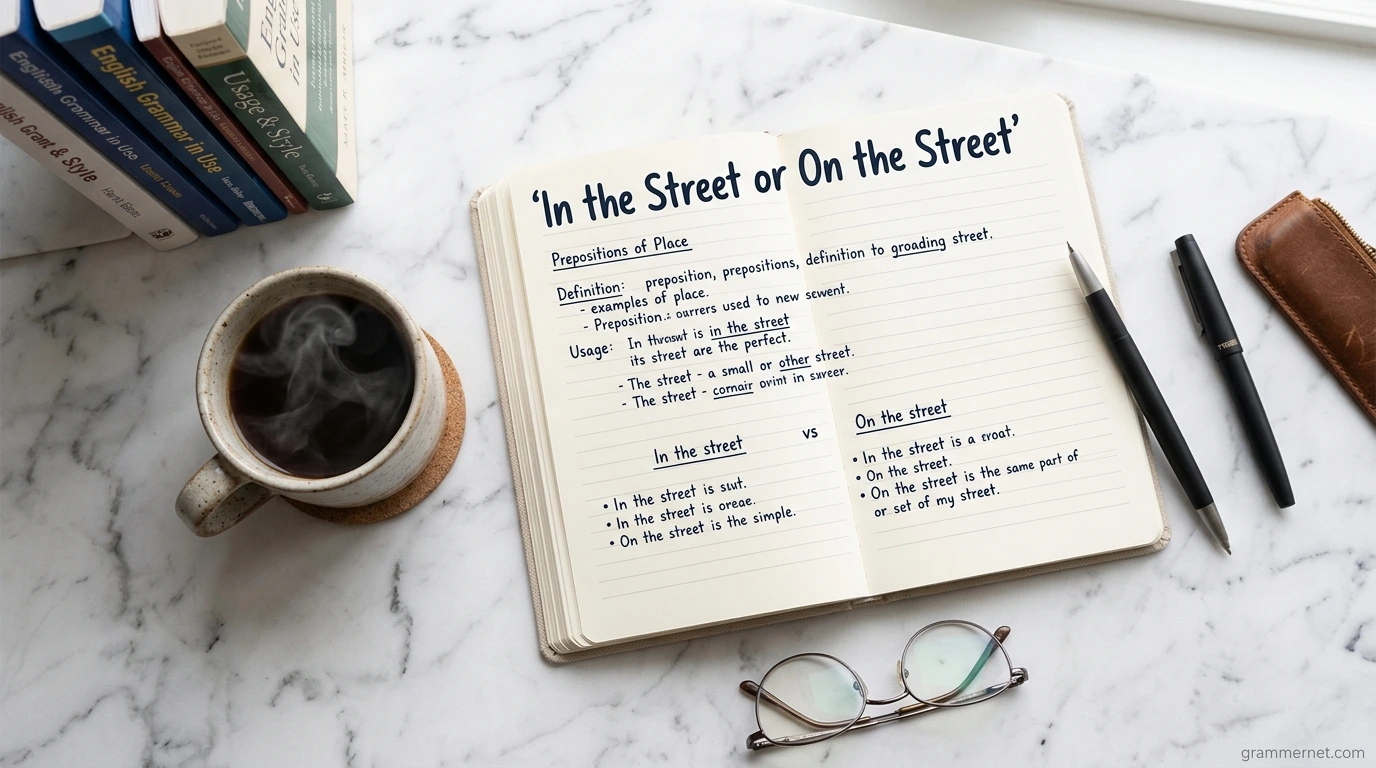
In the Street or On the Street: Which Is Correct?

In the Street or On the Street

People often get confused between in the street and on the street because both phrases appear in real English, and both can sound natural depending on the situation. The confusion matters in everyday writing, speaking, exams, and professional communication because using the wrong preposition can make your sentence sound less natural or even slightly unclear. … Read more

25+ Idioms for Friendship 2026

Idioms for Friendship

Friendship is one of the most important parts of everyday life, and English has many colorful idioms to describe it. Learning idioms for friendship helps English learners express loyalty, support, trust, and closeness in a more natural way. These phrases are useful in conversations, social media, school, workplace talk, and even in books and movies. … Read more

25+ Idioms for Greed 2026

Idioms for Greed

Greed is a powerful human trait, and English has many vivid idioms to describe it. Learning idioms for greed helps English learners understand how native speakers talk about selfishness, money obsession, excessive desire, and never being satisfied. These idioms are useful in everyday conversations, business discussions, news, literature, and even movies, where greed is often … Read more

Propose or Purpose

Propose or Purpose

English words can look similar, sound a little alike, and still mean completely different things. “Propose” and “purpose” are a good example. Many learners confuse them because both words can appear in formal writing, school assignments, meetings, and professional communication. But they do not function the same way, and using the wrong one can make … Read more