25+ Idioms for Difficult 2026

Idioms for Difficult

Difficult situations are a normal part of life, and English has many vivid idioms to describe them. Learning idioms for difficult can help English learners express challenges, stress, and obstacles in a more natural way. These expressions also make it easier to understand native speakers in conversations, books, movies, and workplace discussions. In real life, … Read more


25+ Idioms for Dogs 2026

Idioms for Dogs

Dogs are a big part of English culture, so it is no surprise that many everyday English idioms mention them. Learning idioms for dogs can help English learners understand native speakers more naturally, especially in conversations, movies, books, and workplace chat. These expressions often describe loyalty, laziness, luck, trouble, or strong emotion in a vivid … Read more

As Evidenced By or As Evident By: Which Is Correct?

As Evidenced By or As Evident By

People often get confused about as evidenced by and as evident by because both phrases sound formal and both seem to express proof or visible signs. In everyday writing, speaking, exams, and professional communication, that kind of confusion matters because a small grammar mistake can make a sentence sound awkward or less polished. The good … Read more

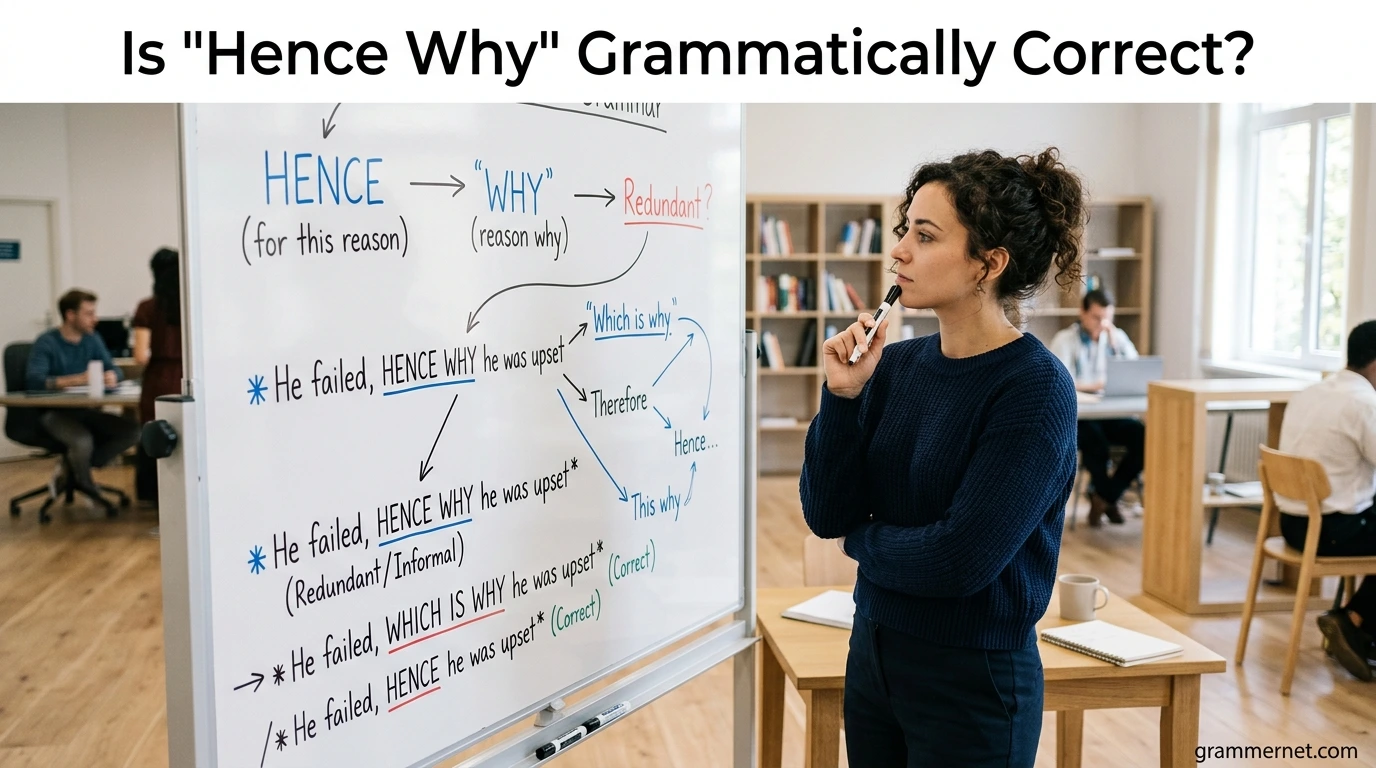
Is “Hence Why” Grammatically Correct?

Is “Hence Why” Grammatically Correct

People often ask whether “hence why” is grammatically correct because the phrase appears in books, articles, spoken English, and casual writing. It sounds logical to many speakers, but it also sounds awkward to others. That is why learners, students, and even native speakers get unsure about it. This matters in everyday writing, speaking, exams, and … Read more

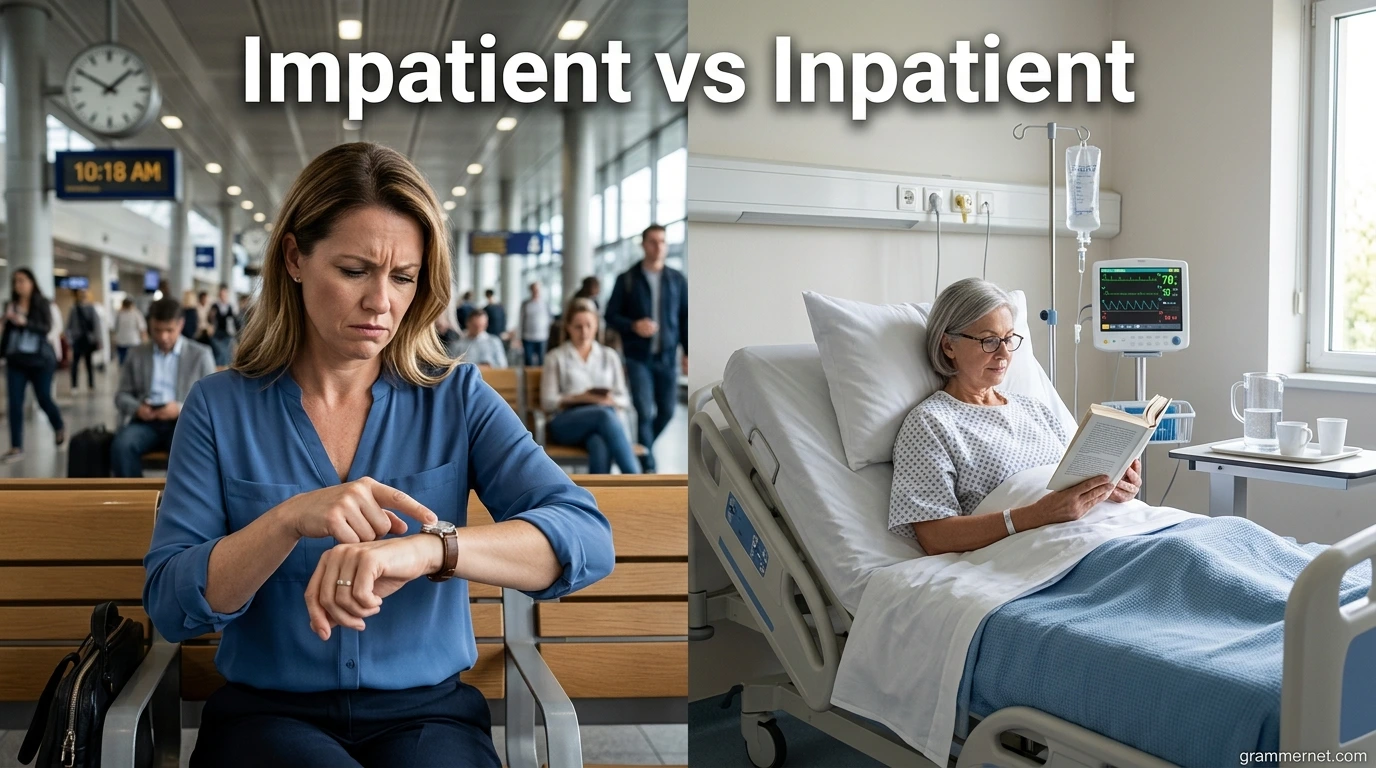
Impatient vs Inpatient: What Is the Difference?

Impatient vs Inpatient

People often confuse impatient and inpatient because the words look almost identical, and only one small letter separates them. That tiny spelling difference can create big confusion in writing, speaking, exams, and professional communication. The problem is even more noticeable because impatient is a common everyday word, while inpatient is used mainly in medical and … Read more

25+ Idioms for Dreams 2026

Idioms for Dreams

Dreams are one of the most interesting parts of human language because they can mean both the things we see while sleeping and the goals we hope to achieve in life. Learning idioms for dreams helps English learners express hopes, ambitions, sleep-related experiences, and imagination in a more natural and colorful way. These idioms are … Read more

25+ Idioms for Dying 2026

Idioms for Dying

Death is a universal part of life, and English contains many idioms that people use to discuss it in indirect, respectful, humorous, or literary ways. Learning idioms for dying helps English learners understand movies, books, news articles, historical texts, and everyday conversations where speakers often avoid using the direct word “die.” These idioms enrich your … Read more

25+ Idioms for Education 2026

Idioms for Education

Education is one of the most important parts of life, and English has many idioms that help people talk about learning, teaching, studying, and academic success more naturally. Learning idioms for education can make your English sound fluent and expressive while helping you understand native speakers in schools, universities, workplaces, and everyday conversations. These idioms … Read more

25+ Idioms for Emotions 2026

Idioms for Emotions

Emotions are a fundamental part of human communication, and learning Idioms for Emotions can help you express feelings more naturally and effectively in English. Whether you’re feeling happy, sad, angry, nervous, excited, or surprised, idioms allow you to communicate emotions in a colorful and memorable way. For English learners, students, and professionals, mastering emotional idioms … Read more

25+ Idioms for Excitement 2026

Idioms for Excitement

Excitement is a powerful emotion that helps us express joy, anticipation, enthusiasm, and eagerness. Learning idioms for excitement can make your English sound more natural, expressive, and engaging in everyday conversations. Whether you’re celebrating good news, looking forward to an event, or describing a thrilling experience, these idioms help you communicate emotions vividly. For English … Read more